Why Casual Dining is Outperforming Fast Casual in 2026: The Beverage Margin Story
Casual dining is winning 2026 because of beverage attach, not food. Here is the dwell time math, the data behind the shift, and the operator playbook.
Casual dining is winning 2026 because of beverage attach, not food. Here is the dwell time math, the data behind the shift, and the operator playbook.
Previous article
Indian restaurants are paying 15 to 30 percent commissions to aggregators while their own direct ordering channels run on PDFs. The cost of the aggregator is real. The cost of the response is bigger.
Next article
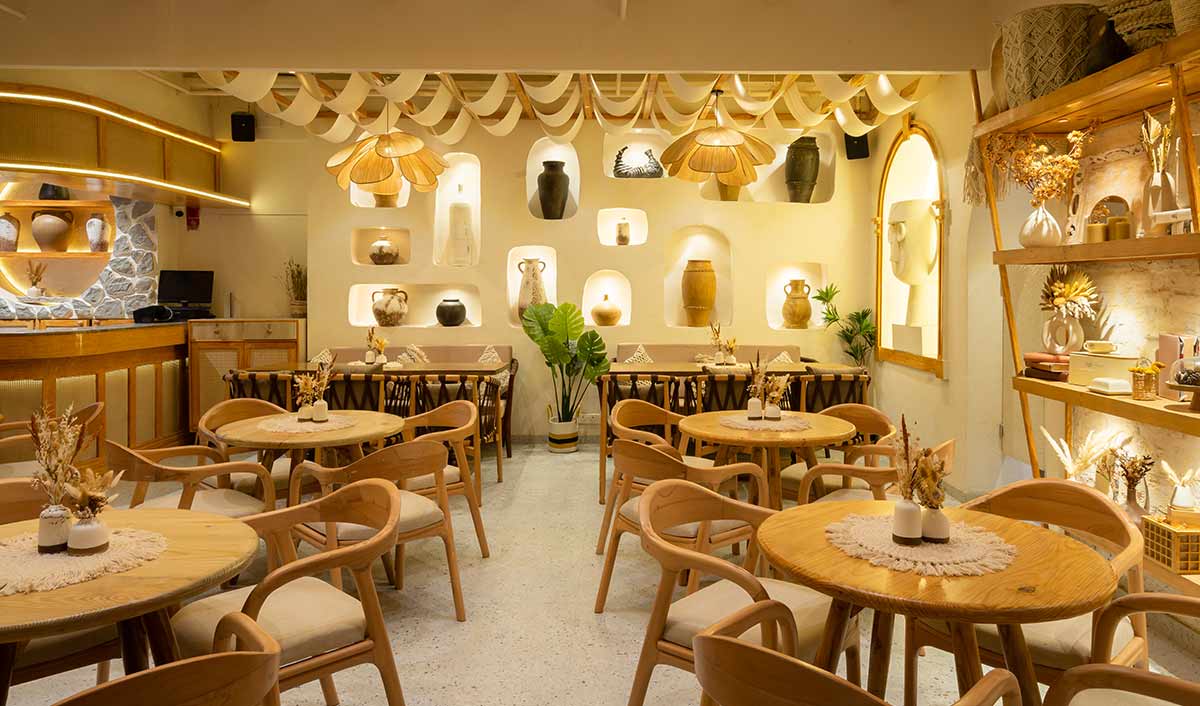
The headline that should be unsettling every fast casual operator right now is not about traffic. It is about beverage. According to Restaurant Dive's 2026 industry outlook, beverages are one of only two confirmed bright spots in an otherwise flat year, with major chains racing to add premium drinks because they are, in the publication's own framing, high margin hits that do not add onerous complexity to operations. Meanwhile casual dining, the segment everyone wrote off in 2023, is putting up the comp sales numbers fast casual used to own.
That is not a coincidence. It is structural.
Casual dining wins on dwell time. A guest who sits for 45 minutes orders one drink at minimum, often two, sometimes three. A fast casual guest who is in and out in twelve minutes orders zero. The food gap between the two segments has narrowed to almost nothing over the last decade. The beverage gap has not moved at all. That is the entire story of 2026 so far.
This post breaks down what the numbers actually say, why the gap is widening, and what operators in both segments should do about it before Q3.
A few specific numbers worth sitting with.
Casual dining is showing real momentum. Restaurant Dive's Q4 2025 coverage frames a casual dining resurgence as the segment's defining 2026 narrative, with one casual chain reporting 161% more chicken sandwich sales since its April 2026 launch and strong guest satisfaction with bigger portions. Chili's, Texas Roadhouse, and other category leaders have lapped multiple quarters of positive comps.
Fast casual is going the other direction. Technomic's 2026 U.S. Foodservice Trends report, as summarized by Synergy Restaurant Consultants, says fast casual momentum will cool as the segment matures. Consumer Edge data shows fast casual spending growth has turned negative across every income group, not just lower income cohorts. The twenty dollar lunch that defined fast casual's premium positioning is now its biggest liability.
Beverage is doing the heavy lifting on margin. Bar led concepts achieve 75 to 80% gross margins on alcoholic beverages. Even alcohol free categories are growing fast: Datassential's 2026 Future of Drink Report shows interest in low ABV cocktails jumped from 46% to 51% in a single year, and Tastewise reports a 73% year on year increase in restaurant menu items involving agave wine. The premium alcohol free segment is forecast to grow at a 9.4% CAGR through 2034.
The pattern is clear. Food traffic is flat. Beverage occasions are growing. The operators capturing those occasions are the ones built to host them.
Fast casual was engineered, deliberately, to remove dwell time. Smaller dining rooms. Counter ordering. Pickup shelves. Drive thru lanes. Throughput as the headline KPI. That design choice was correct for a decade. It compressed labor, sped up unit economics, and built the moat against legacy QSR.
But the same design throws away the beverage occasion. A guest who orders at a counter and leaves in twelve minutes is structurally not in the market for a second cocktail, a digestif, a dessert and coffee, or any of the high margin moments a casual dining server is actively engineering. Even when fast casual operators put premium drinks on the menu, the format does not give the drinks time to land.
There is no incremental fix for this. You cannot retrofit dwell time. You can add a beverage program, but if the room turns in fifteen minutes the program is decorative.
Casual dining did not get smarter. The macro environment shifted. Three things happened simultaneously.
First, the price gap closed. After two years of fast casual hiking checks faster than full service, the value math changed. A nineteen dollar burrito bowl is not obviously better than a twenty four dollar sit down meal that includes a server, a drink, and 45 minutes of air conditioning.
Second, Gen Z surprised everyone. According to Revenue Management Solutions, more than three in four Gen Z consumers now dine in at least once per week, and 40% dine in at full service restaurants. The cohort that fast casual was supposedly built for is the one most actively choosing casual dining.
Third, the beverage occasion went premium. Mocktails, energy drinks, espresso tonics, low ABV cocktails, agave wine, protein cold foam. Every one of these is photogenic, easy to attach, low in operational complexity, and high in margin. They reward the format that has time to sell them.
The most common mistake on casual dining menus right now is treating beverage as a list buried at the back of the menu rather than a primary revenue driver. The drinks page is text heavy, low on imagery, hidden behind the food, and rarely refreshed. Servers compensate verbally, but server consistency is impossible at scale.
The second mistake is daypart blindness. The same beverage menu runs at 11 AM, 4 PM, and 9 PM. Mocktails and zero proof options should headline the lunch and afternoon menu. Cocktails and after dinner drinks should headline evening. Most operators run a single static menu and lose the suggestion at every shift change.
The third mistake, specific to fast casual, is refusing to redesign for any dwell at all. A beverage bar, a small lounge, a four top zone with drink first menus, even a ten minute sit option could recover a meaningful slice of beverage revenue. Almost no fast casual operator is doing this.
The order in which a guest sees items shapes attach rate. Putting a signature cocktail on the cover of the menu, not on page four, lifts attach roughly 8 to 12% in most operator studies. Treat the drinks page as a hero, not an appendix.
Lunch wants iced, low ABV, and zero proof. Afternoon wants energy and caffeine. Dinner wants cocktails and wine. Late night wants signature serves and digestifs. A drinks menu that knows what daypart it is in can lift beverage revenue 15% or more without changing the food at all.
The 2026 beverage boom is, underneath, a social media boom. Cold foam, layered colors, garnishes, glassware. Every drink on the menu should have a photo on the digital menu, ideally one shot in the actual restaurant lighting. Text only drink lists are leaving 20% of attach on the table.
This is where operations meets margin. A printed menu cannot daypart. It cannot swap a cocktail for a mocktail at 3 PM. It cannot pull a drink that is out of stock. Menuthere lets restaurants run distinct daypart menus, surface high margin beverages in featured slots, swap items in seconds, and serve every guest the right menu at the right moment from the same QR code. For an operator trying to capture the beverage occasion, the menu itself is the lever.
Most servers default to recommending whatever the kitchen is pushing or whatever they personally drink. The 80/20 of beverage profit usually sits in three signature items. Make those three the only drinks servers are required to recommend on every table.
Most casual dining operators look at beverage mix monthly. Daily, by daypart, by server, is where the margin lives. Push the data into the morning huddle and watch behavior change inside two weeks.
Casual dining is not winning because of the food. It is winning because the format still owns the beverage occasion, and the beverage occasion is where 2026 margin lives. Fast casual operators who do not build a meaningful dwell zone, and casual dining operators who do not redesign their beverage menu for the new occasion, will both leave the year with the same complaint: traffic was fine, but the check did not grow.
The operators who treat their drinks list as a primary product, not a secondary list, are the ones running positive comps in a flat market. The rest are watching margin walk past their tables on the way to a competitor that figured out the same thing first.
Ready to make your beverage menu the highest margin page on the table? Menuthere lets you build daypart aware, image led, real time digital menus that lift beverage attach without retraining a single server.
Sources: Restaurant Dive 2026 Outlook, Technomic 2026 U.S. Foodservice Trends, Datassential 2026 Future of Drink Report, Tastewise 2026 Food & Beverage Trend Forecast, Synergy Restaurant Consultants, Revenue Management Solutions, Consumer Edge.
New 2026 research shows 58.5% of diners want smaller, protein-forward menu items, but 37.4% reject anything labeled "GLP-1-friendly." Here's the menu design playbook.
QR menus
The fastest way to serve faster is not hiring another server. It is removing the wait that happens before the order is even placed.
Menu strategy
Ask the internet how often a restaurant should update its menu and you get a remarkably consistent answer.