Labor Retention Through Technology: How AI Frees Your Best Staff From Manual Work
Your restaurant is losing people. Not because they want to leave hospitality. Because they're tired of fighting systems.
Your restaurant is losing people. Not because they want to leave hospitality. Because they're tired of fighting systems.
Previous article
The restaurants winning in 2026 aren't necessarily the ones with the biggest budgets or the flashiest marketing. They're the ones with the smartest systems running in the background.
Next article
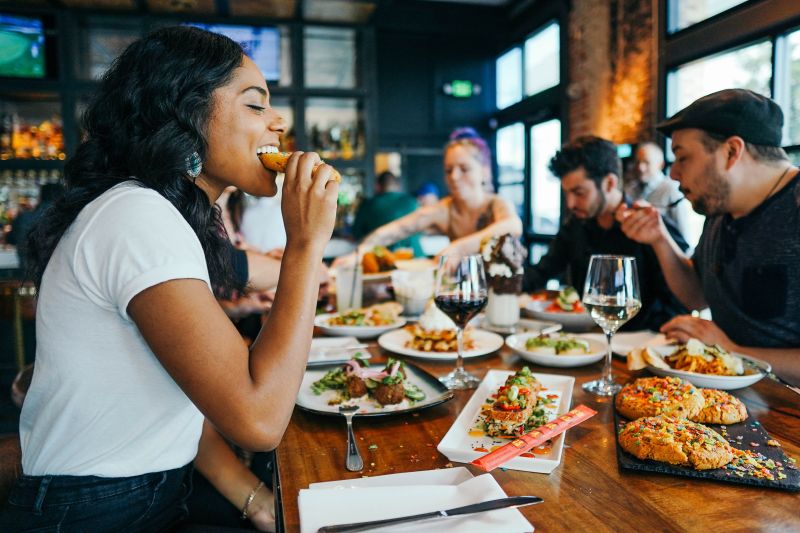
Here's what the data says: 74% turnover across the restaurant industry as of March 2026. Quick-service locations regularly exceed 130%. Eighty percent of operators were short at least one position last year, carrying an average of five open roles. Training cost per hire: $3,037.
But here's what matters more than any of those numbers: for the first time in its research, Restaurant365 found that better training programs have overtaken pay increases as the most frequently cited employee retention strategy.
Your staff isn't leaving because you're not paying them enough. They're leaving because the job is exhausting in ways that money can't fix.
The National Restaurant Association's latest research is clear: the winning restaurants in the talent battle won't be those with the highest pay. They'll be those who simplify work and make it more predictable.
Think about what your staff experiences on a busy shift:
Incompatible systems that don't talk to each other. A POS system that's clunky to navigate. Menu changes that create confusion. Schedule changes communicated via text in a group chat. Picking up the phone to take reservations when the machine's already ringing. Running to the back to check what specials are available today because the front-of-house team doesn't have visibility. Arguing about which items are actually available.
That friction compounds. It creates burnout. And burnout is the silent driver of turnover.
The irony is brutal: most of this chaos isn't about hard work. It's about manual work. About systems that fight each other instead of flowing together.
AI-powered scheduling is the clearest example. A high-end New York restaurant used AI to forecast labor needs, cut overtime expenses, and improve staff retention by giving employees predictable schedules. Self-service scheduling tools let workers swap shifts or request hours that fit their lives, which research shows is a top driver of job satisfaction in an industry where turnover exceeds 70%.
Predictability doesn't sound like much until you realize it's the difference between an employee who feels in control and one who feels constantly reactive.
Digital training platforms create the same effect. Instead of relying on shadow shifts and printed manuals, new hires learn key tasks at their own pace on mobile-friendly platforms. This reduces early-stage frustration, which is one of the most common causes of short-term turnover. Your experienced staff also stop getting pulled away to train newcomers, which frees them to do revenue-generating work.
Communication tools matter too. Research shows that effective communication can reduce turnover by 50%. When your front-of-house staff has real-time visibility into what's available in the kitchen, when orders are ready, and whether specials are still in stock, they stop scrambling. They stop apologizing to guests. They stop feeling incompetent.
Here's why Menuthere belongs in your retention strategy: a digital menu platform eliminates one of the biggest sources of front-of-house friction.
Your staff no longer has to run to the back to check inventory. Your menu automatically reflects what's available. Specials rotate based on supply or daypart. Items go in and out of availability instantly, without reprinting, without confusion, without your server having to memorize which versions are current.
More importantly, when your menu is digital, you give your front-of-house team real-time information they actually trust. They're not guessing. They're not apologizing. They're confident. And confidence reduces the stress that drives people to leave.
From a back-of-house perspective, a digital menu also reduces chaos. Your kitchen team knows exactly what's being ordered and when because the orders flow cleanly from a system they can see. No duplicate tickets. No miscommunication. No chaos.
That simplicity compounds. When your POS talks to your menu platform, when your inventory system talks to your scheduling, when your training system reduces onboarding friction, your staff experiences their day as a set of connected, sensible tasks instead of a series of workarounds and problems to solve.
That's the environment where people stay.
The cost of turnover in restaurants is brutal. A single hire costs you $3,037. That's onboarding, training, lost productivity during ramp-up. Then the employee leaves after three months, and you start over.
Do the math across your restaurant: if you have 20 employees and 74% turnover, you're turning over 15 positions per year. That's $45,555 just in training costs. That's not counting the lost quality, the dropped service standards, or the experienced staff pulled away from their actual jobs to train newcomers.
Even a 10 percentage point reduction in turnover saves meaningful money. But the real savings is operational: when your team is stable, your systems work better. Your service is more consistent. Your margins improve. Your guests actually come back.
You don't need to overhaul everything at once. The highest-ROI starting point for most operators is an integrated POS system that connects to your online ordering, delivery, and loyalty programs. Once that's clean and connected, layering in:
AI-powered scheduling that gives employees control over their hours
Digital menu visibility so front-of-house staff have real information
Training platforms that reduce onboarding friction
Focus on the area that creates the most friction for your team right now. If your front-of-house is constantly confused about inventory, start there with a digital menu platform. If your scheduling chaos is driving people out, start with scheduling optimization. If onboarding is a black hole, invest in digital training.
The pattern across winning restaurants is the same: they pick one problem, solve it with technology that reduces friction instead of adding it, measure the impact on retention, then expand.
Restaurant work is hard. The hours are long. The pace is relentless. You can't change those facts with technology.
What you can change is how much mental energy your staff wastes fighting systems instead of serving guests. You can make their day more predictable. You can give them information they trust. You can reduce the burnout that comes from constant firefighting.
The restaurants keeping their best people in 2026 aren't the ones throwing the highest signing bonuses. They're the ones building systems that work for humans, not against them.
That starts with understanding what's actually driving people away. It's not the work. It's the friction. And friction, unlike pay, is something you can fix with the right technology.
Ready to reduce the friction that's killing retention? Menuthere's digital menu platform integrates with your POS and operations to eliminate front-of-house chaos, give your team real-time visibility, and reduce the daily friction that drives people to leave. Start with your menu. Watch your retention improve.
QR menus
The fastest way to serve faster is not hiring another server. It is removing the wait that happens before the order is even placed.
Restaurant technology
Dine in has a menu and a server. Delivery has a dashboard and analytics. Takeaway has a person standing at a counter being served by whoever is nearest.